

Literary analysis
Intersections of narrative, psyche, and cultural identity
Literature mirrors the human condition, portraying internal conflicts and societal dynamics. Operating at the confluence of art and behavioral science, storytelling explores the complexities of the mind. Through character development and symbolic language, works offer fields for psychological inquiry and tools for introspective analysis. This connects creative expression with the quest for meaning, personal growth, and shared humanity, bridging artistic creation and psychological awareness.

Literary masters as explorers of the human psyche
Before clinical psychology emerged as a scientific discipline, celebrated authors conducted deep investigations into the human psyche. Through characters, they dissected unconscious motivations, anxieties, and desires with remarkable intuition and precision.

Psychological realism in classic literature
Fyodor Dostoevsky created characters whose internal monologues and moral dilemmas offered insight into guilt, existential dread, and redemption, prefiguring core concepts of modern psychoanalysis.

The modernist stream of consciousness technique
Virginia Woolf and James Joyce pioneered stream of consciousness, representing the unfiltered flow of thoughts and sensations, mirroring the fluidity and associative nature of human cognition.

Existential themes in post-war fiction
Following societal upheaval, Albert Camus used narrative to explore absurdity, radical freedom, and the search for purpose in a meaningless world, reflecting widespread philosophical inquiry and psychological analysis.

Narrative psychology
Narrative frameworks for identity and self-understanding
Narrative psychology posits humans are inherent storytellers constructing personal narratives. These life stories are structured accounts shaping identity, core values, and perception. How individuals frame past experiences and imagine future selves influences mental health and emotional well-being. This process involves selecting events, creating causal links, and establishing overarching themes providing coherence and continuity to existence.
Literary fiction is a resource for understanding this process. By analyzing character arcs—from inciting incidents to resolutions—readers learn how narratives are built. This understanding applies to life, allowing for cognitive reframing of personal stories. Recognizing oneself as the protagonist empowers individuals to identify limiting beliefs, overcome obstacles, and actively shape future chapters.

The therapeutic benefits of the writing process
Expressive writing serves as a structured method for emotional processing, offering significant mental health benefits.
Translating thoughts and emotions into written language creates order from internal chaos. Expressive writing allows for emotional catharsis, safely releasing suppressed feelings. It facilitates cognitive reframing by organizing experiences into a coherent narrative. Externalizing internal turmoil provides psychological distance, fostering objectivity and reducing distressing emotions. This structured self-reflection improves mood regulation, reduces stress, and enhances problem-solving skills.
Daily journaling for introspection and mental clarity
Regular journaling is a practical application of expressive writing promoting sustained self-awareness. It functions as a private space for exploring the inner world without judgment, documenting personal growth. The practice identifies behavioral patterns, leading to understanding of personal triggers and coping mechanisms. As a tool for mindfulness practice, it encourages focus on the present moment and deliberate engagement with experiences.
Writing by hand impacts cognitive function, slowing thought processes for profound reflection compared to digital methods. Used to process daily events, set future goals, or work through complex emotional states, journaling serves as an accessible technique for psychological equilibrium. It provides a tangible record of the personal journey, offering valuable insights during review.

Cultural heritage
Literature reflecting collective consciousness

Jungian archetypes in mythology and fiction
Universal character patterns, or archetypes, recur in stories across cultures and eras. Figures like the hero, mentor, or trickster embody fundamental aspects of the human experience and collective unconscious.
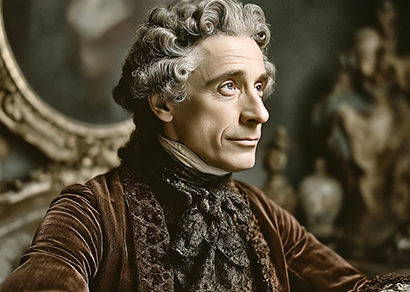
Social commentary in literary movements
Literary periods often arise in response to sociopolitical conditions. Victorian literature explored issues of industrialization, class structure, and morality, providing critical social commentary relevant to historical analysis.
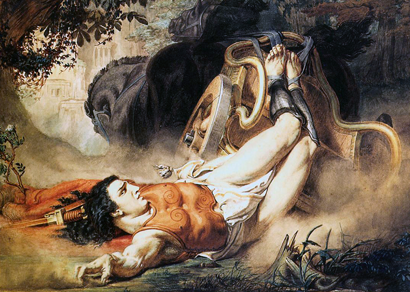
Evolution of character tropes in storytelling
Character tropes and narrative conventions change, reflecting shifts in societal values. The portrayal of protagonists and antagonists in folklore versus contemporary fiction demonstrates this cultural evolution.
Cognitive empathy
Reading for emotional intelligence and empathy
Reading fiction is a cognitive exercise enhancing empathy and emotional intelligence. Engaging with a well-developed character simulates experiences, thoughts, and emotions. This process, or theory of mind, strengthens the capacity to understand mental states. Immersing in diverse narratives exposes the reader to perspectives, cultures, and life circumstances distinct from their own.
This fosters cognitive empathy—understanding perspectives—and emotional empathy—sharing feelings. Bibliotherapy, using books for therapeutic purposes, leverages this to help individuals navigate personal challenges. Identifying with characters facing similar struggles reduces isolation, offering insights. Reading serves as a tool for personal growth, cultivating a compassionate view of the world.
Art as a universal form of expression
Art forms—painting, sculpture, music, or literature—constitute a universal language transcending borders. It expresses emotions, beliefs, and worldviews specific to society, opening bridges to other cultures. Art is not limited to aesthetics: it is a vehicle for communication, cultural memory, and collective identity.
Culture as living heritage and transmission
Culture encompasses knowledge, traditions, and practices shaping community life. It is transmitted across generations, evolving via external influences and artistic innovations. A social glue, culture provides a frame of reference, nourishes creativity, and fosters intercultural dialogue. It anchors art in historical continuity while stimulating cultural renewal.